
World
Thomas King Reveals Lack of Indigenous Ancestry, Reflects on Identity

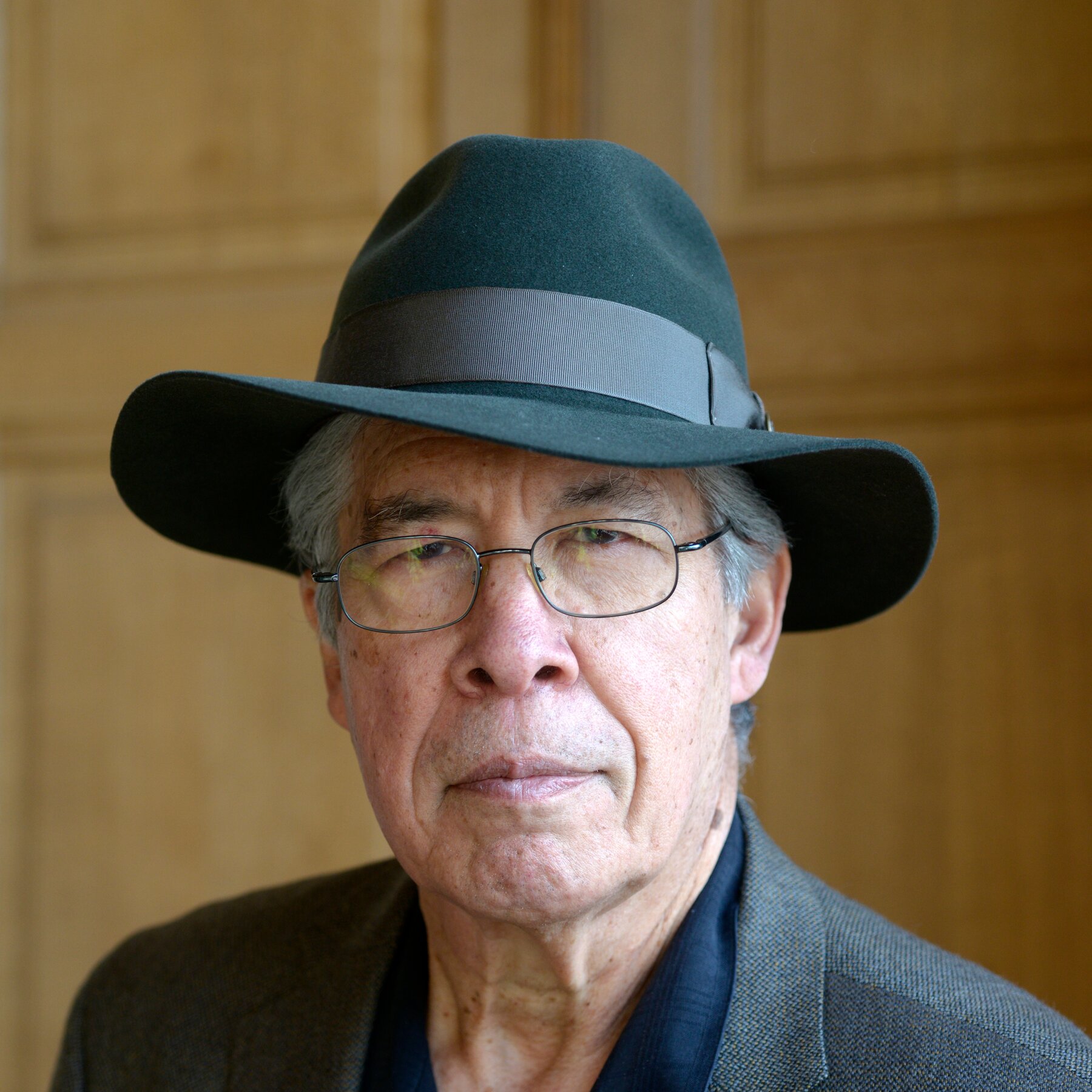
Canadian author Thomas King, known for his insightful works on Indigenous issues, has publicly stated that he has no Indigenous ancestry. This revelation has left him feeling “ripped in half,” as he grapples with the implications of this newfound information on his identity and literary career.
King, who has received multiple awards for his contributions to literature, has long been celebrated for his storytelling that reflects the experiences and histories of Indigenous peoples. His works, including The Inconvenient Indian and Green Grass, Running Water, have established him as a prominent voice in the discourse surrounding Indigenous rights and representation in Canada and beyond.
In a recent interview with National Public Radio (NPR), King disclosed that a DNA test revealed he does not share Indigenous heritage. This shocking discovery prompted a deep reflection on his past, particularly his commitment to advocating for Indigenous issues throughout his career. “I’ve spent my entire life writing about Indigenous peoples, and now I find out that I’m not part of that community,” King remarked.
As a respected figure in the literary world, King’s announcement raises important questions about cultural identity, representation, and the complexities of belonging. He emphasized that while he may not have Indigenous ancestry, his dedication to amplifying Indigenous voices and experiences remains unwavering.
King’s literary journey began in the late 20th century, and his work has consistently challenged stereotypes while promoting understanding of Indigenous cultures. His teaching role at the University of California, Berkeley has further solidified his influence, allowing him to reach students and audiences with his rich storytelling.
This revelation comes at a time when discussions about authenticity and representation in literature are increasingly scrutinized. King’s perspective adds a unique layer to these conversations, as he reflects on the responsibilities of writers who engage with Indigenous narratives.
While some may view his lack of ancestry as a disqualification from discussing Indigenous experiences, King argues that empathy and respect are crucial for any advocate. He continues to strive for a deeper understanding of the issues faced by Indigenous communities, emphasizing that his role is to listen and learn, rather than to claim ownership of their stories.
As the literary community and the public process this news, King remains committed to his mission. “I will continue to write and speak about Indigenous peoples because their stories matter,” he stated. His ongoing work seeks to foster awareness and appreciation for the rich diversity of Indigenous cultures, regardless of his personal lineage.
In a world that increasingly values authenticity, King’s journey serves as a poignant reminder of the complexity of identity and the importance of supporting marginalized voices. As he navigates this new chapter in his life, his contributions to literature and advocacy for Indigenous rights are sure to remain impactful.

Urgent Swatting Incident Ties Up Emergency Resources in Alabama

Urgent Tax Alert: Claim Your Deductions Before April 15!

Scientists Investigate Cosmic Defects: Where Are They Now?

Spring Bocce Leagues Open Registration in Rapid City

CALV Offers Essential Communication Class for Real Estate Pros

Samsung Galaxy Watch 9 Set for Larger 435mAh Battery Upgrade

Healthy Choice Wellness Reports Earnings, Stock Sees Uptick

Prince Harry Claims to Be ‘Antidote to Andrew’ Amid Royal Crisis

Pet Owners Weigh Kibble Against Fresh Dog Food Options

ALMA Discovers Companion Orbiting Giant Star π 1 Gruis

U.S. Visa Rescheduling Hits H‐1B Applicants as New Vetting Rules Take Effect

University of Hawaiʻi Joins $25.6M AI Project for Disaster Monitoring

F-22 Raptor vs. Su-57 Felon: A 2025 Fighter Jet Comparison

Recent Divorce Judgments from Iberia Parish Court Records

Ohio State Study Uncovers Brain Connectivity and Function Links

Prince Andrew Faces Fallout from Scandals and Allegations

Urgent: Flight Cancellations Loom at Texas Airports Amid Shutdown

Frank Dunn, Esteemed Builder and Community Leader, Passes Away at 89
-
 Science8 months ago
ALMA Discovers Companion Orbiting Giant Star π 1 Gruis
-
 Politics6 months ago
U.S. Visa Rescheduling Hits H‐1B Applicants as New Vetting Rules Take Effect
-
Science8 months ago
University of Hawaiʻi Joins $25.6M AI Project for Disaster Monitoring
-
 World8 months ago
F-22 Raptor vs. Su-57 Felon: A 2025 Fighter Jet Comparison
-
 Politics8 months ago
Recent Divorce Judgments from Iberia Parish Court Records
-
 Science9 months ago
Ohio State Study Uncovers Brain Connectivity and Function Links
-
 World8 months ago
Prince Andrew Faces Fallout from Scandals and Allegations
-
 Top Stories8 months ago
Urgent: Flight Cancellations Loom at Texas Airports Amid Shutdown
-
 Lifestyle8 months ago
Frank Dunn, Esteemed Builder and Community Leader, Passes Away at 89
-

 Business8 months ago
Appian Recognizes 2025 Partner Award Winners for Enterprise Innovation
-

 Entertainment7 months ago
Malachi Barton Tops Google Searches as Disney’s Rising Star of 2025
-

 Science9 months ago
Innovator Captures Light at 2 Billion Frames Per Second