
World
Social Media Faces Scrutiny as Elon Musk Reshapes X’s Policies

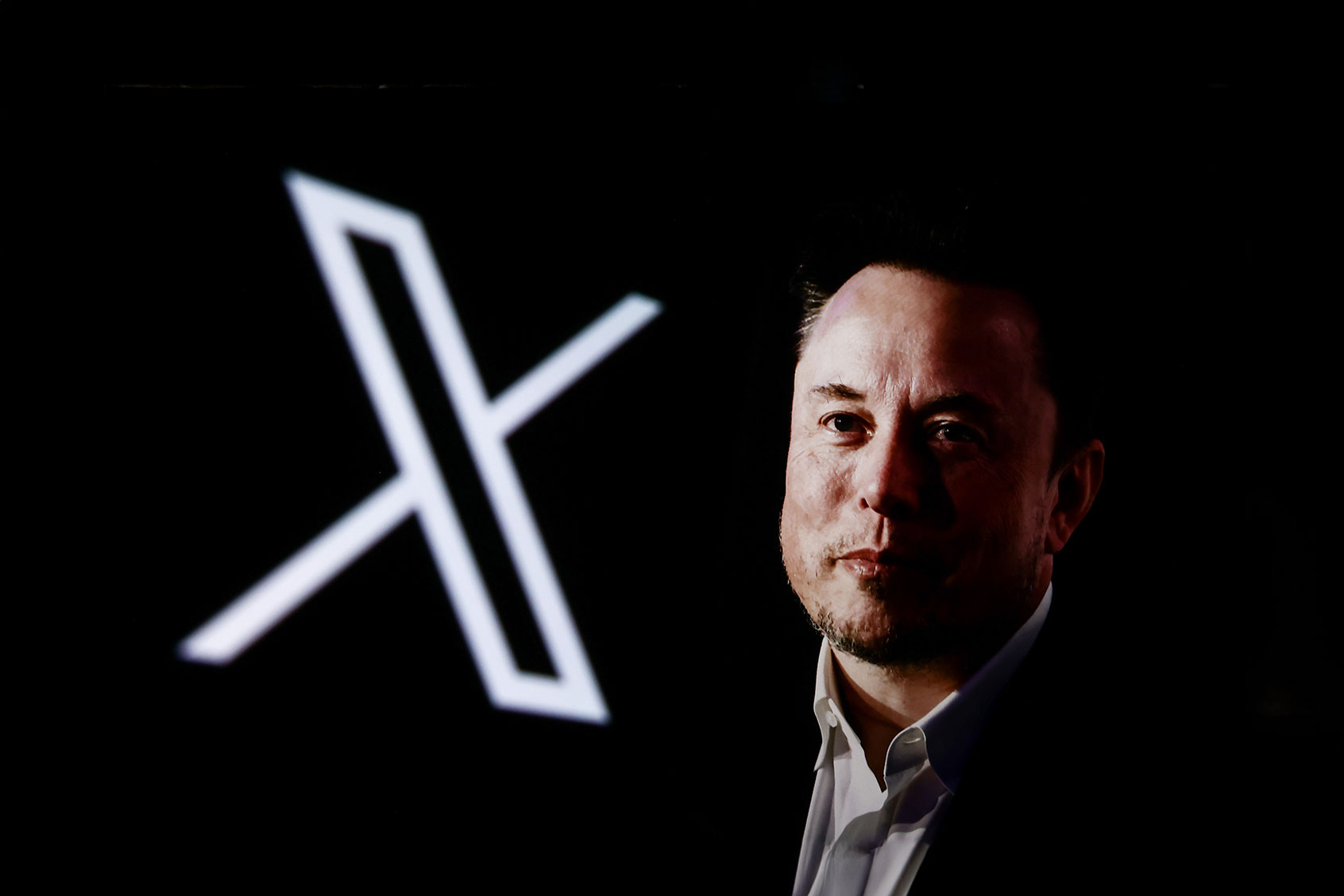
Recent developments in social media governance have sparked significant debate, particularly following changes implemented by Elon Musk after his acquisition of Twitter, now rebranded as X. Many observers believe that the platform’s new direction has led to an escalation in the spread of misinformation, raising concerns about the impact on political discourse in the United States.
The origins of these challenges can be traced back to 2014, when Buzzfeed News highlighted the activities of the Internet Research Agency, a Russian organization that orchestrated a coordinated propaganda effort across various social media platforms. This campaign involved creating fake accounts and manipulating discussions to influence American politics. Despite nearly two decades of awareness about such foreign interference, the U.S. continues to grapple with the complexities of regulating these threats.
Upon purchasing Twitter in 2022, Musk reinstated several accounts that had been banned for promoting hate speech and disinformation, including that of former President Donald Trump. A 2024 CNN analysis of 56 pro-Trump accounts on X identified a “systematic pattern of inauthentic behavior,” with some accounts even displaying blue check marks that indicate official verification. Alarmingly, eight of these accounts utilized stolen images of European influencers to bolster their credibility.
Musk’s leadership at X has seen the dismantling of key teams and mechanisms that previously aimed to mitigate the spread of false information. Under his stewardship, the platform’s monetization strategy has increasingly focused on engagement, often driven by divisive cultural issues. This approach has created a feedback loop where outrage is used to foster consent for policy changes, particularly during periods of internal conflict within political factions.
In October 2023, as tensions rose among Trump’s supporters, Nikita Bier, X’s head of product, proposed a new feature aimed at revealing the geographical locations of users. The urgency for action escalated after Katie Pavlich of Fox News publicly urged Musk to address the issue of foreign bots that she claimed were “tearing America apart.” Bier responded, promising to implement changes within 72 hours.
The rollout of this feature was chaotic and marred by errors, yet it received praise from several conservative figures, including Florida’s Governor Ron DeSantis and right-wing podcaster Dave Rubin, the latter having been confirmed by the Justice Department as a subcontractor of Russian intelligence. Investigations revealed that numerous prominent MAGA accounts were operating from Nigeria, raising further concerns about the authenticity of online political engagement.
This situation highlights the potential dangers posed by the new location-exposing feature, particularly for journalists working in authoritarian regimes. Many users are aware that impersonating right-wing activists can yield higher engagement, thereby gaming the system. Bier acknowledged that X’s data was not entirely reliable, prompting a temporary withdrawal of the feature amid user warnings about the risks associated with revealing personal information without proper safeguards.
The implications of these developments extend beyond political discourse. A decade ago, political reporters were among the most active users on Twitter, using the platform for breaking news and commentary. However, as the integrity of the platform has diminished, the risks to journalists have increased, particularly in light of the rise of inauthentic accounts.
Concerns about safety are not exclusive to X. Testimony from Vaishnavi Jayakumar, former head of safety and well-being at Instagram, revealed that the platform employed a “17x” strike policy for accounts involved in human trafficking. This meant that accounts could violate the platform’s rules multiple times before facing suspension. Furthermore, internal studies by Meta, Instagram’s parent company, allegedly indicated a link between social media use and negative mental health outcomes, yet the company reportedly chose to prioritize revenue over user safety.
The current landscape of social media underscores the challenges inherent in maintaining user safety while fostering engagement. Rage-inducing content, whether generated domestically or internationally, remains difficult to control. Though algorithms could provide a solution, the prevailing business model incentivizes growth and engagement at the expense of transparency and accountability.
As discussions around these issues continue, it is evident that mere calls for improved content moderation or transparency are insufficient. What is urgently needed is systemic regulatory reform that addresses the underlying issues within social media platforms. The industry must confront the reality that it has built systems designed for profit rather than public welfare.

Urgent Swatting Incident Ties Up Emergency Resources in Alabama

Urgent Tax Alert: Claim Your Deductions Before April 15!

Scientists Investigate Cosmic Defects: Where Are They Now?

Spring Bocce Leagues Open Registration in Rapid City

CALV Offers Essential Communication Class for Real Estate Pros

Samsung Galaxy Watch 9 Set for Larger 435mAh Battery Upgrade

Healthy Choice Wellness Reports Earnings, Stock Sees Uptick

Prince Harry Claims to Be ‘Antidote to Andrew’ Amid Royal Crisis

Pet Owners Weigh Kibble Against Fresh Dog Food Options

ALMA Discovers Companion Orbiting Giant Star π 1 Gruis

U.S. Visa Rescheduling Hits H‐1B Applicants as New Vetting Rules Take Effect

University of Hawaiʻi Joins $25.6M AI Project for Disaster Monitoring

F-22 Raptor vs. Su-57 Felon: A 2025 Fighter Jet Comparison

Recent Divorce Judgments from Iberia Parish Court Records

Ohio State Study Uncovers Brain Connectivity and Function Links

Prince Andrew Faces Fallout from Scandals and Allegations

Urgent: Flight Cancellations Loom at Texas Airports Amid Shutdown

Frank Dunn, Esteemed Builder and Community Leader, Passes Away at 89
-
 Science8 months ago
ALMA Discovers Companion Orbiting Giant Star π 1 Gruis
-
 Politics6 months ago
U.S. Visa Rescheduling Hits H‐1B Applicants as New Vetting Rules Take Effect
-
Science8 months ago
University of Hawaiʻi Joins $25.6M AI Project for Disaster Monitoring
-
 World8 months ago
F-22 Raptor vs. Su-57 Felon: A 2025 Fighter Jet Comparison
-
 Politics8 months ago
Recent Divorce Judgments from Iberia Parish Court Records
-
 Science9 months ago
Ohio State Study Uncovers Brain Connectivity and Function Links
-
 World8 months ago
Prince Andrew Faces Fallout from Scandals and Allegations
-
 Top Stories8 months ago
Urgent: Flight Cancellations Loom at Texas Airports Amid Shutdown
-
 Lifestyle8 months ago
Frank Dunn, Esteemed Builder and Community Leader, Passes Away at 89
-

 Business8 months ago
Appian Recognizes 2025 Partner Award Winners for Enterprise Innovation
-

 Entertainment6 months ago
Malachi Barton Tops Google Searches as Disney’s Rising Star of 2025
-

 Science9 months ago
Innovator Captures Light at 2 Billion Frames Per Second