
World
New York’s Century-Old Traffic Lights Still Confuse Drivers

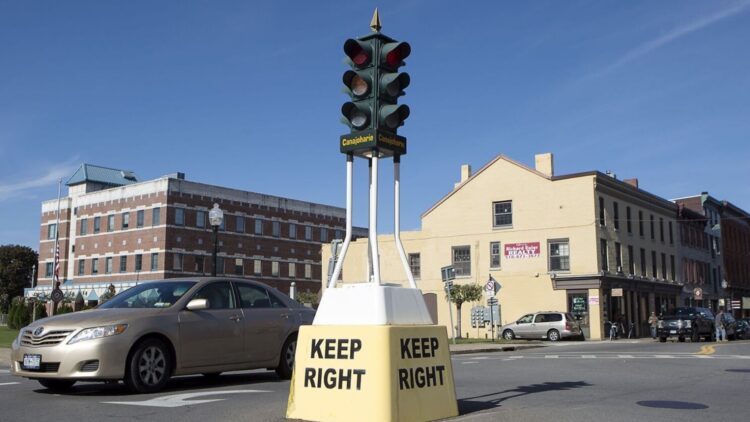
New York City continues to operate the oldest traffic lights in the United States, initially installed nearly a century ago. These historic signals, known as dummy lights, pose a unique challenge for drivers as they navigate the city. While they serve as a reminder of the past, their outdated design can lead to confusion and increased risk of accidents.
Historical Context of Traffic Lights in the U.S.
The evolution of traffic signals in the United States began in the early 20th century. Before the introduction of electric lights, police officers managed traffic at intersections. However, as vehicle numbers surged, this method became impractical. In 1912, the first electric traffic light was installed, featuring only red and green lights. The addition of an amber light occurred in the 1920s, leading to the three-color system still in use today.
Called dummy lights, these early traffic signals were designed to replace the absent officers and were mounted on posts at intersections. Their design was simple, yet effective for the time, as they allowed for a regulated flow of traffic. Over the decades, modern safety measures and traffic management systems evolved, leading to the removal of many outdated models across various cities.
Preservation and Safety Concerns in New York
Despite advancements, some municipalities in New York, such as Beacon and Croton-on-Hudson, have opted to retain their old traffic signals. Residents regard these lights as symbols of their historical character, advocating for their preservation. Similarly, in Canajoharie, old traffic lights were removed due to safety issues but were reinstalled in May 2023 following community pressure.
The persistence of these outdated signals raises significant safety concerns. Drivers unfamiliar with the appearance of these lights may find them confusing, increasing the likelihood of collisions. The older design is less visible compared to modern traffic lights, making it difficult for drivers to interpret their meanings quickly. In response to these risks, local authorities have implemented safety measures such as reflective paint, elevated bases, and warning signs to enhance visibility.
“While the ambiguity may create confusion, the color code and operation remain similar to modern signals, allowing drivers to understand their purpose,” said a local transportation official.
As cities across the country modernize their traffic systems, New York’s decision to retain these historical lights highlights a tension between preserving cultural heritage and ensuring public safety. The ongoing debate reflects broader discussions about how communities value historical artifacts in the face of contemporary needs. While some residents cherish these relics, others question their place in a rapidly changing urban landscape.
Ultimately, the future of New York’s dummy lights hinges on balancing historical appreciation with the pressing need for improved road safety. Local communities continue to advocate for their preservation while also pushing for enhancements that will mitigate the risks posed by these iconic yet outdated traffic signals.

Trump to Convene National Security Team on Venezuela Crisis Today

Thanksgiving Leftover Turkey: Experts Warn of Risky Spoilage

Hong Kong Blaze Death Toll Reaches 151; 13 Arrested for Manslaughter

U.S. Junior Team Roster Unveiled: Proctor Goalie A.J. Reyelts in the Mix

Evanescence Announces 2026 World Tour with Bay Area Date!

South Korea’s Air Premia Launches New Route to Washington D.C.

World CopperSmith and Anna Dinger Unveil Chic Kitchen Makeover

Candlelight Concerts in Upstate NY Offer 30% Discounts for Cyber Monday

Understand Tooth Extraction: What to Expect at Every Stage

Ohio State Study Uncovers Brain Connectivity and Function Links

Hamas Chief Stresses Disarmament Tied to Occupation’s End

Megan Thee Stallion Exposes Alleged Online Attack by Bots

University of Hawaiʻi Joins $25.6M AI Project for Disaster Monitoring

Researchers Challenge 200-Year-Old Physics Principle with Atomic Engines

Paloma Elsesser Shines at LA Event with Iconic Slicked-Back Bun

FDA Unveils Plan to Cut Drug Prices and Boost Biosimilars

Federal Agents Detain Driver in Addison; Protests Erupt Immediately

Motley Fool Wealth Management Reduces Medtronic Holdings by 14.7%
-
 Science1 month ago
Ohio State Study Uncovers Brain Connectivity and Function Links
-
 Politics1 month ago
Hamas Chief Stresses Disarmament Tied to Occupation’s End
-
 Entertainment1 month ago
Megan Thee Stallion Exposes Alleged Online Attack by Bots
-
Science4 weeks ago
University of Hawaiʻi Joins $25.6M AI Project for Disaster Monitoring
-
 Science2 months ago
Researchers Challenge 200-Year-Old Physics Principle with Atomic Engines
-
 Entertainment1 month ago
Paloma Elsesser Shines at LA Event with Iconic Slicked-Back Bun
-
 World1 month ago
FDA Unveils Plan to Cut Drug Prices and Boost Biosimilars
-
 Top Stories1 month ago
Federal Agents Detain Driver in Addison; Protests Erupt Immediately
-
 Business1 month ago
Motley Fool Wealth Management Reduces Medtronic Holdings by 14.7%
-

 Entertainment1 month ago
Beloved Artist and Community Leader Gloria Rosencrants Passes Away
-

 Science2 weeks ago
ALMA Discovers Companion Orbiting Giant Star π 1 Gruis
-

 Politics2 months ago
NHP Foundation Secures Land for 158 Affordable Apartments in Denver