
Science
Scholars Challenge Common Myths About Vikings and Norse Culture

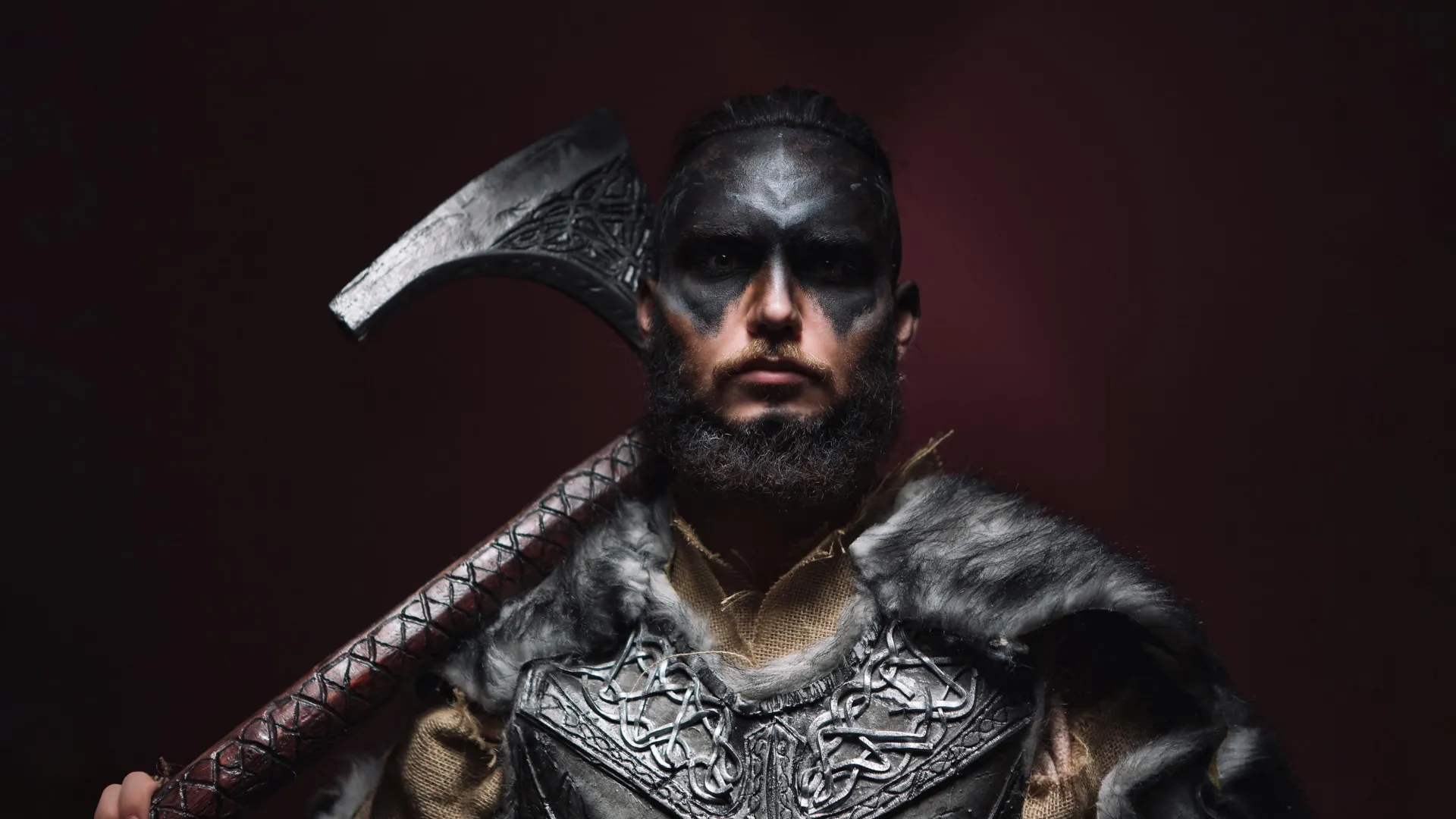
A group of scholars from the University of Münster is questioning widely accepted narratives about Vikings and their cultural practices, revealing that many beliefs are rooted in later interpretations rather than original historical evidence. According to experts in Scandinavian studies, including Roland Scheel and Simon Hauke, our understanding of the Viking Age—typically defined as spanning the 8th to 11th century—is heavily influenced by medieval sources that reflect the perspectives of Christian scholars, rather than direct accounts from the Viking period itself.
The research, conducted under the auspices of the Cluster of Excellence at the University of Münster, emphasizes that the narratives surrounding Vikings have been shaped and reshaped over centuries by various writers, artists, and political figures. This has led to a skewed portrayal of Vikings as fearless adventurers and noble warriors, a view often reinforced by modern media, including films, television series, and video games.
Revisiting Historical Narratives
Scheel notes that most narratives about Norse paganism are based on “memorialized history,” which reflects the biases of later scholars rather than the realities of the Viking Age. He highlights that these stories often overlook violent aspects of Viking raids and the complexities of their society. The romanticized image of pre-Christian Scandinavia, which credits them with having a unique warrior culture and a relatively favorable status for women, continues to influence contemporary identity formation.
This idealization has led to the emergence of neo-pagan groups who view themselves as practitioners of ancient Scandinavian beliefs, often contrasting their faith with monotheistic religions like Christianity. Such modern interpretations frequently sanitize the more brutal elements of Viking history. Scheel contrasts this with the prevailing views of other historical events, such as the Crusades, which are often depicted as coercive and violent.
The Impact of Cultural Interpretations
Both Scheel and Hauke are investigating how medieval perspectives on Norse mythology have evolved and been reinterpreted over time. They point to pivotal texts such as the 13th-century “Edda” by Snorri Sturluson, which recounts tales of gods and heroes, as foundational yet often misinterpreted sources. Notably, political figures like Otto von Bismarck have employed these narratives to bolster their own ideologies, demonstrating the enduring influence of these myths in shaping national identities.
Hauke highlights that modern representations of Norse figures, such as the Valkyrie, have strayed significantly from their original depictions. He cites Richard Wagner’s opera “The Ring of the Nibelung” as a key example, where the Valkyrie is portrayed as a singularly feminine warrior. This interpretation neglects the diverse roles that Valkyries occupied in Old Norse literature, which included functions such as choosing those who would die in battle and serving as barmaids in the afterlife.
The research project titled “Paganisations: Memorialised Paganism as an Element of Scandinavian and European Identities” reflects a broader inquiry into how these historical narratives have been constructed and reconstructed. Upcoming conferences, such as “Imagining Nordic Paganism: Cultural Memories and Scholarly Thought Since the Middle Ages,” will delve into various aspects of this topic, featuring international experts in Scandinavian studies and related fields.
The scholars’ work sheds light on the complex interplay between history, culture, and identity, revealing how interpretations of Norse mythology continue to inform contemporary understandings of the past. As these researchers unravel the layers of historical narratives, they invite a re-examination of what we think we know about the Vikings and their enduring legacy in modern culture.

Urgent Swatting Incident Ties Up Emergency Resources in Alabama

Urgent Tax Alert: Claim Your Deductions Before April 15!

Scientists Investigate Cosmic Defects: Where Are They Now?

Spring Bocce Leagues Open Registration in Rapid City

CALV Offers Essential Communication Class for Real Estate Pros

Samsung Galaxy Watch 9 Set for Larger 435mAh Battery Upgrade

Healthy Choice Wellness Reports Earnings, Stock Sees Uptick

Prince Harry Claims to Be ‘Antidote to Andrew’ Amid Royal Crisis

Pet Owners Weigh Kibble Against Fresh Dog Food Options

ALMA Discovers Companion Orbiting Giant Star π 1 Gruis

U.S. Visa Rescheduling Hits H‐1B Applicants as New Vetting Rules Take Effect

University of Hawaiʻi Joins $25.6M AI Project for Disaster Monitoring

F-22 Raptor vs. Su-57 Felon: A 2025 Fighter Jet Comparison

Recent Divorce Judgments from Iberia Parish Court Records

Ohio State Study Uncovers Brain Connectivity and Function Links

Urgent: Flight Cancellations Loom at Texas Airports Amid Shutdown

Frank Dunn, Esteemed Builder and Community Leader, Passes Away at 89

Appian Recognizes 2025 Partner Award Winners for Enterprise Innovation
-
 Science10 months ago
ALMA Discovers Companion Orbiting Giant Star π 1 Gruis
-
 Politics8 months ago
U.S. Visa Rescheduling Hits H‐1B Applicants as New Vetting Rules Take Effect
-
Science10 months ago
University of Hawaiʻi Joins $25.6M AI Project for Disaster Monitoring
-
 World10 months ago
F-22 Raptor vs. Su-57 Felon: A 2025 Fighter Jet Comparison
-
 Politics9 months ago
Recent Divorce Judgments from Iberia Parish Court Records
-
 Science10 months ago
Ohio State Study Uncovers Brain Connectivity and Function Links
-
 Top Stories10 months ago
Urgent: Flight Cancellations Loom at Texas Airports Amid Shutdown
-
 Lifestyle10 months ago
Frank Dunn, Esteemed Builder and Community Leader, Passes Away at 89
-
 Business10 months ago
Appian Recognizes 2025 Partner Award Winners for Enterprise Innovation
-

 World10 months ago
Prince Andrew Faces Fallout from Scandals and Allegations
-

 Entertainment8 months ago
Malachi Barton Tops Google Searches as Disney’s Rising Star of 2025
-

 Top Stories9 months ago
Republican Matt Van Epps Wins Tennessee Special Election