
Science
MIT Unveils Ancient Metalworking Secrets Through CT Scanning

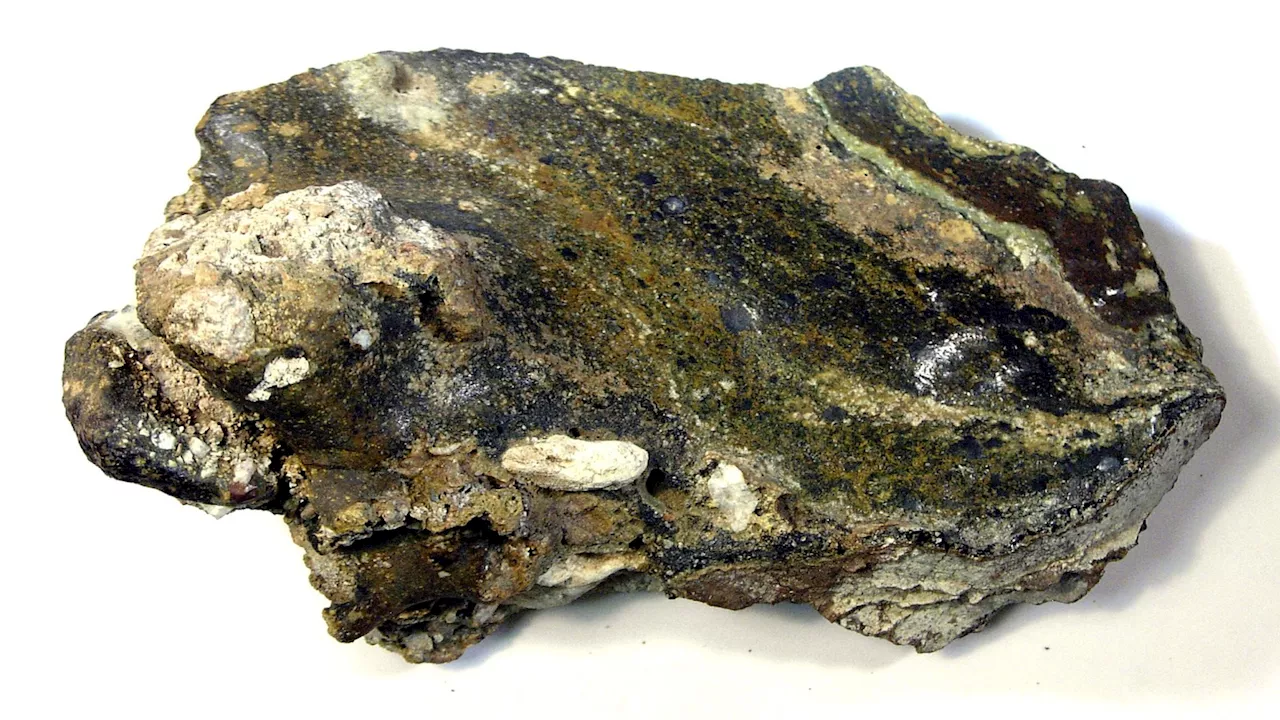
Researchers at the Massachusetts Institute of Technology (MIT) have developed a novel approach using CT scanning to explore ancient copper smelting processes. This technique was applied to analyze slag, a byproduct of metal production, shedding light on the technological capabilities of early civilizations.
Revolutionizing the Study of Ancient Metallurgy
The advent of metallurgy marked a significant milestone in human history, enabling the extraction and processing of metals. By delving into the production methods employed by ancient metallurgists, researchers aim to understand how these early societies created metal artifacts. “The goal is to understand, from start to finish, how they accomplished making these shiny metal products,” MIT researchers stated.
Despite the historical significance of metallurgy, evidence regarding the production methods used by ancient civilizations has remained scarce. In a groundbreaking study, MIT researchers adapted existing CT scanning technology to investigate slag from an archaeological site in Tepe Hissar, Iran. This region is recognized as one of the earliest locations where evidence of copper processing has been found, dating back to between 3100 and 2900 BCE.
CT Scanning: A New Tool for Archaeological Insight
The researchers employed a combination of an industrial CT scanner and a standard scanner available on campus to conduct their analysis. Slag forms when ores are heated to extract metal, resulting in a molten substance that solidifies upon cooling. According to MIT News, slag is chemically complex, making it challenging to interpret within the context of modern metallurgical practices. It contains various unwanted elements that complicate the understanding of ancient metal production processes.
“There’s always been a question in archaeometallurgy if we can use arsenic and similar elements in these remains to learn something about the metal production process,” MIT researchers noted.
In addition to CT scanning, the team utilized traditional methods such as X-ray fluorescence, X-ray diffraction, and optical and scanning electron microscopy. The CT scans proved particularly valuable, providing a detailed overview of the internal structure of the slag and identifying pores and other material traces that may have been overlooked in previous studies.
These findings are igniting new discussions among researchers regarding ancient metal processing techniques. The role of arsenic, in particular, has sparked debate about its significance in early metallurgy. As the study progresses, MIT scientists emphasize the potential of CT scanning as a powerful tool in archaeology, facilitating more systematic studies of ancient materials and processes.
MIT researchers concluded, “This should be an important lever for more systematic studies of the copper aspect of smelting, and also for continuing to understand the role of arsenic.” They anticipate that this innovative approach will enhance understanding of corrosion and the long-term stability of artifacts, paving the way for further investigations into ancient metallurgy.

Urgent Swatting Incident Ties Up Emergency Resources in Alabama

Urgent Tax Alert: Claim Your Deductions Before April 15!

Scientists Investigate Cosmic Defects: Where Are They Now?

Spring Bocce Leagues Open Registration in Rapid City

CALV Offers Essential Communication Class for Real Estate Pros

Samsung Galaxy Watch 9 Set for Larger 435mAh Battery Upgrade

Healthy Choice Wellness Reports Earnings, Stock Sees Uptick

Prince Harry Claims to Be ‘Antidote to Andrew’ Amid Royal Crisis

Pet Owners Weigh Kibble Against Fresh Dog Food Options

ALMA Discovers Companion Orbiting Giant Star π 1 Gruis

U.S. Visa Rescheduling Hits H‐1B Applicants as New Vetting Rules Take Effect

University of Hawaiʻi Joins $25.6M AI Project for Disaster Monitoring

F-22 Raptor vs. Su-57 Felon: A 2025 Fighter Jet Comparison

Recent Divorce Judgments from Iberia Parish Court Records

Ohio State Study Uncovers Brain Connectivity and Function Links

Prince Andrew Faces Fallout from Scandals and Allegations

Urgent: Flight Cancellations Loom at Texas Airports Amid Shutdown

Frank Dunn, Esteemed Builder and Community Leader, Passes Away at 89
-
 Science8 months ago
ALMA Discovers Companion Orbiting Giant Star π 1 Gruis
-
 Politics6 months ago
U.S. Visa Rescheduling Hits H‐1B Applicants as New Vetting Rules Take Effect
-
Science8 months ago
University of Hawaiʻi Joins $25.6M AI Project for Disaster Monitoring
-
 World8 months ago
F-22 Raptor vs. Su-57 Felon: A 2025 Fighter Jet Comparison
-
 Politics8 months ago
Recent Divorce Judgments from Iberia Parish Court Records
-
 Science9 months ago
Ohio State Study Uncovers Brain Connectivity and Function Links
-
 World8 months ago
Prince Andrew Faces Fallout from Scandals and Allegations
-
 Top Stories8 months ago
Urgent: Flight Cancellations Loom at Texas Airports Amid Shutdown
-
 Lifestyle8 months ago
Frank Dunn, Esteemed Builder and Community Leader, Passes Away at 89
-

 Business8 months ago
Appian Recognizes 2025 Partner Award Winners for Enterprise Innovation
-

 Entertainment6 months ago
Malachi Barton Tops Google Searches as Disney’s Rising Star of 2025
-

 Science9 months ago
Innovator Captures Light at 2 Billion Frames Per Second