
Politics
Trump’s Pardons Under Fire as Recipients Face New Criminal Charges

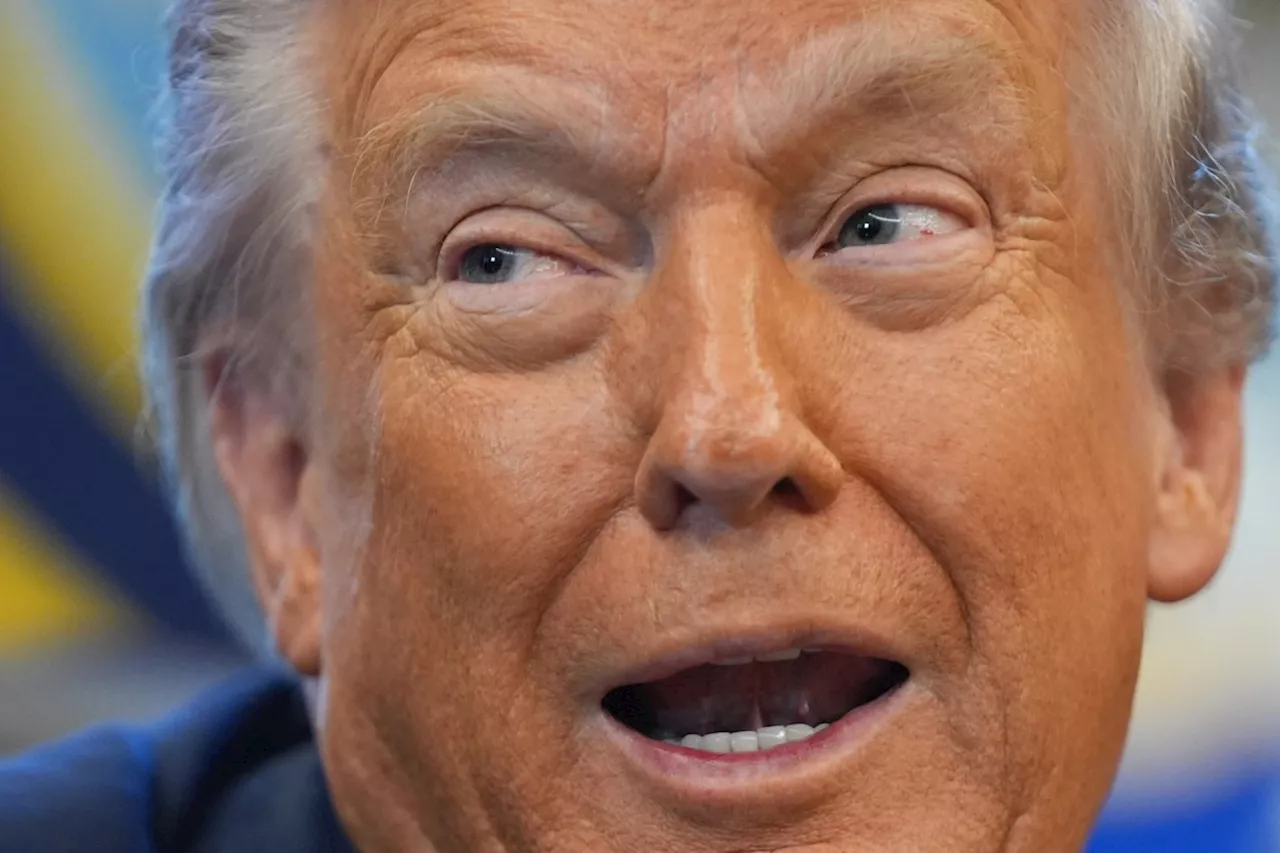
The clemency decisions made by former President Donald Trump are facing heightened scrutiny as several recipients have recently been charged with new criminal offenses. This includes at least 13 individuals who received pardons or commutations during Trump’s administration, raising questions about the vetting process and the implications for justice in the United States.
The presidential clemency process has come under intense examination, particularly due to the implications of granting clemency to individuals who later engaged in further criminal activities. Of the 13 individuals currently under scrutiny, many are connected to the events of January 6, 2021, which adds another layer of complexity to the discussions surrounding these decisions. Lawmakers, legal experts, and members of the public are increasingly questioning the criteria used to grant clemency and the potential for its misuse for political motives.
Recent polling indicates that a significant majority of Americans disapprove of Trump’s pardons and commutations, viewing them as controversial and politically motivated. The Newsweek reached out to the White House for comments regarding these developments.
Details of New Charges Against Pardoned Individuals
The list of individuals facing new charges is extensive and varied. For instance, Andrew Taake, pardoned after his involvement in the January 6 attack, was subsequently arrested in Texas for online solicitation of a minor. Similarly, Edward Kelley, who was convicted of conspiracy to murder FBI agents prior to receiving a pardon, is now facing separate charges not covered by the clemency.
Another notable case involves Emily Hernandez, who participated in the January 6 riot and was photographed with a broken nameplate belonging to then-House Speaker Nancy Pelosi. Hernandez was sentenced to ten years in prison for a fatal DUI crash that occurred after her pardon.
Other cases include Daniel Ball, accused of throwing an explosive device during the Capitol attack and later charged with illegal gun possession; his federal gun case was dismissed following his pardon. David Daniel, another January 6 participant, has been indicted on charges of child pornography and sexual assault.
The repercussions extend to various serious offenses as well. Shane Jason Woods was convicted of aggravated DUI and reckless homicide, leading to a 17-year prison sentence. Theodore Middendorf is currently serving a 19-year sentence for sexual assault, while Taylor Taranto was arrested for illegal gun possession and making a bomb threat.
Additional cases include Brent John Holdridge, arrested for burglary and theft, Zachary Alam, charged with home invasion and theft, and Andrew Paul Johnson, who has been arrested on multiple child sexual abuse-related charges. Furthermore, Jonathan Braun, whose sentence was commuted by Trump, violated the terms of his supervised release and was found guilty of several charges.
Legal and Ethical Implications of Clemency Decisions
These ongoing cases highlight the complex legal and ethical considerations surrounding presidential clemency. Each situation illustrates the severe nature of the original crimes, the gravity of the new charges, and the perceived motivations behind clemency decisions. There are concerns that Trump may have bypassed the traditional vetting process, leading to the potential misuse of clemency for political gain or to reward loyalists.
The frequency of these new charges raises significant questions about the thoroughness of the review process for pardons and the possible unintended consequences of such decisions. Critics argue that the use of presidential power in this manner undermines the justice system and public safety.
As scrutiny surrounding these cases continues to grow, the implications for future clemency decisions and the overall perception of fairness within the U.S. legal system become increasingly important. The current landscape serves as a reminder that the exercise of presidential power is not immune to oversight and accountability, especially as the political climate remains polarized.
The unfolding narrative surrounding these pardons adds yet another layer of complexity to ongoing discussions about justice and equality in the United States.

Urgent Update: Mesa Road Rage Arrest; Murder Charges in Phoenix

St. Scholastica Women’s Hockey Falls 3-1 at Eau Claire

Women in HVACR and Carrier Offer $55,000 in Scholarships

Defense Tech Funding Surges to Record $7.7 Billion in 2025

49ers Dominate Browns 26-8 with Strong Air Attack in Cleveland

FDA Issues Warning on Lead-Contaminated Cookware, Urges Discarding

Riyadh to Host Global Labor Market Conference on January 26-27

Exciting New Movie Trailers: Anticipation Builds for 2024 Releases

UWS Hockey and Basketball Teams Face Tough Losses in Recent Games

Ohio State Study Uncovers Brain Connectivity and Function Links

Hamas Chief Stresses Disarmament Tied to Occupation’s End

Megan Thee Stallion Exposes Alleged Online Attack by Bots

University of Hawaiʻi Joins $25.6M AI Project for Disaster Monitoring

Researchers Challenge 200-Year-Old Physics Principle with Atomic Engines

Paloma Elsesser Shines at LA Event with Iconic Slicked-Back Bun

FDA Unveils Plan to Cut Drug Prices and Boost Biosimilars

Federal Agents Detain Driver in Addison; Protests Erupt Immediately

Motley Fool Wealth Management Reduces Medtronic Holdings by 14.7%
-
 Science1 month ago
Ohio State Study Uncovers Brain Connectivity and Function Links
-
 Politics1 month ago
Hamas Chief Stresses Disarmament Tied to Occupation’s End
-
 Entertainment1 month ago
Megan Thee Stallion Exposes Alleged Online Attack by Bots
-
Science4 weeks ago
University of Hawaiʻi Joins $25.6M AI Project for Disaster Monitoring
-
 Science2 months ago
Researchers Challenge 200-Year-Old Physics Principle with Atomic Engines
-
 Entertainment1 month ago
Paloma Elsesser Shines at LA Event with Iconic Slicked-Back Bun
-
 World1 month ago
FDA Unveils Plan to Cut Drug Prices and Boost Biosimilars
-
 Top Stories1 month ago
Federal Agents Detain Driver in Addison; Protests Erupt Immediately
-
 Business1 month ago
Motley Fool Wealth Management Reduces Medtronic Holdings by 14.7%
-

 Entertainment1 month ago
Beloved Artist and Community Leader Gloria Rosencrants Passes Away
-

 Science2 weeks ago
ALMA Discovers Companion Orbiting Giant Star π 1 Gruis
-

 Politics1 month ago
NHP Foundation Secures Land for 158 Affordable Apartments in Denver