
Politics
Foreign Policy Shapes Future of GOP as MAGA Faces Internal Strife

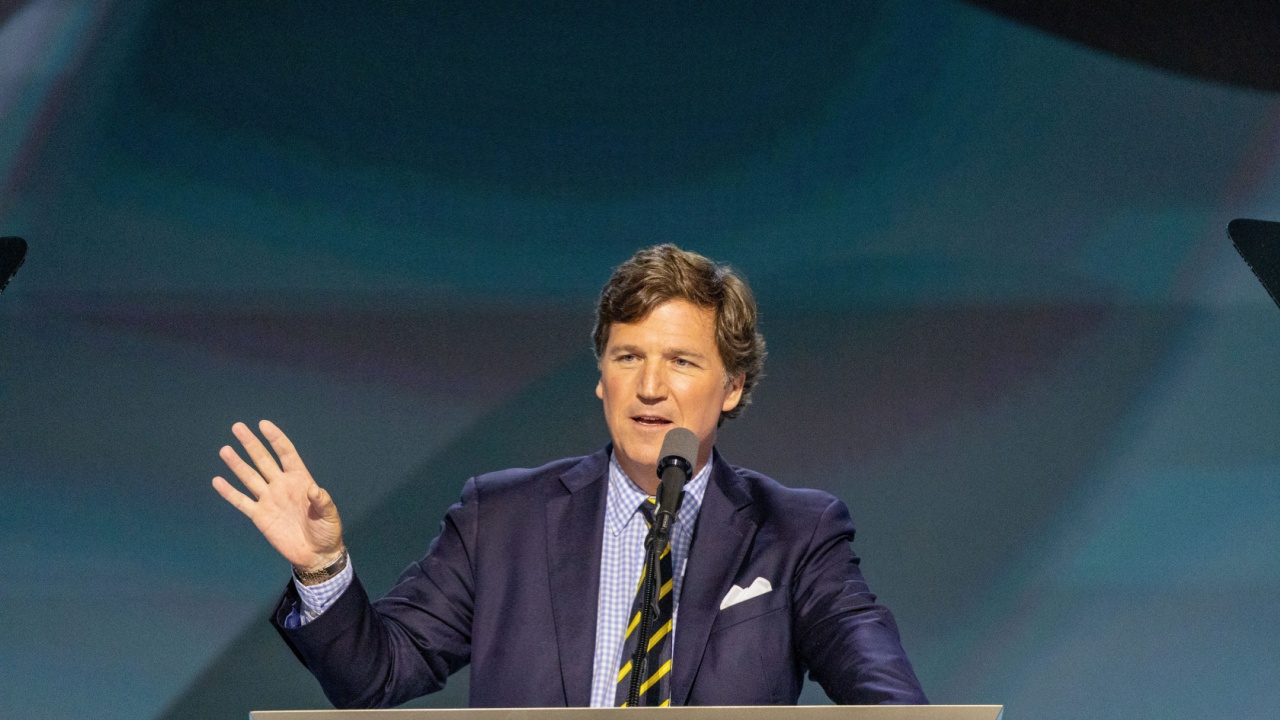
The ideological landscape of the Republican Party is undergoing significant upheaval as the influence of foreign policy emerges as a pivotal issue. President Donald Trump now faces the challenge of uniting the conservative movement to prevent the isolationist faction, led by Tucker Carlson, from undermining his agenda. This internal conflict has the potential to shape the future of the GOP as it navigates through competing factions within the MAGA movement.
Historically, the notion that foreign policy does not influence election outcomes has been prevalent in American politics. However, as the Republican Party finds itself in a civil war of ideology, foreign policy has become a crucial battleground. The emerging divide centers around Carlson, who has positioned himself as a leader of an isolationist group that promotes grievance-driven narratives. His approach often intertwines conspiracy theories and unfounded claims, which could reshape the party’s stance on key international relationships.
Trump, having established the MAGA movement, remains its most influential figure. Yet, by not addressing Carlson’s rhetoric directly, he has inadvertently allowed the latter to influence the narrative surrounding the movement. Carlson’s remarks following a controversial interview with white nationalist Nick Fuentes reveal his aim to influence the future direction of the GOP: “What happens after Trump goes? That’s what this is about,” he stated.
The battle over foreign policy is particularly pronounced, with Carlson aggressively pushing to redefine the MAGA message. His criticism of Israel, which he labels as being driven by “Israel firsters” and “Zionists,” threatens to turn a key ally into a contentious issue within the Republican base. Carlson has made inflammatory statements that not only make headlines but also risk alienating supporters who hold traditional views on U.S.-Israel relations.
This shift extends beyond Israel. Carlson has defended Nicolas Maduro, the Venezuelan leader widely criticized for his regime’s authoritarian practices, framing U.S. actions against him as a cultural attack. His defense of Maduro, alongside controversial interviews with figures linked to Russia and Iran, raises questions about the GOP’s foreign policy direction under Carlson’s influence.
As the Trump administration prepares to unveil its 2025 National Security Strategy, which emphasizes a robust yet measured approach to foreign engagement, Carlson’s attempts to undermine these priorities could complicate the party’s coherence. The strategy endorses “responsible competition” with nations like China and Russia and reinforces commitments to allies such as Israel, directly countering Carlson’s narrative.
While some conservative commentators caution against internal conflict, it is Carlson who appears to be fostering division within the movement. The architects of modern conservatism, such as William Buckley, recognized the necessity of distancing the movement from radical elements. Challenging Carlson’s views is not an infringement on free speech but a necessary measure to maintain moral clarity and stability within the party.
The reluctance of Trump to confront Carlson may stem from concerns over his core supporters, who are often more radicalized and vocal. Polling indicates that a majority of Republicans do not share Carlson’s extreme views: only 16 percent hold a favorable opinion of Russia, and just 11 percent support reducing aid to Israel. Furthermore, 64 percent regard antisemitism as a serious issue, highlighting a disconnect between Carlson’s rhetoric and the beliefs of mainstream Republican voters.
Trump possesses the authority to redefine the direction of the GOP and clarify what MAGA represents. A decisive statement from him could reassert the core values of the movement and prevent it from being overtaken by extremist factions. Allowing these radical elements to dominate could jeopardize the future of the Republican Party, potentially alienating a broader voter base.
Ultimately, Carlson’s vision challenges Trump’s leadership and seeks to reshape the foundational principles of the MAGA movement. As the GOP grapples with these tensions, foreign policy may not only influence election outcomes but also determine the party’s trajectory in the years to come. The stakes are high, and Trump must act decisively to maintain the integrity of the coalition he has built. If he fails to address the extremes, he risks leaving the party vulnerable to those who threaten its core values.

Alleged Philadelphia Hitman Tyvine Jones Arrested for Three Murders

Social Media Star Mary Magdalene Dies at 33 After Hotel Fall

Two Arrested in California Cult Murder Case; Leader in Custody

Remembering Pamela R. “Pam” Stephens: A Life in Service

Mosasaur Tooth Discovery Reveals Freshwater Habitat Potential

Pelicans Soar Past Blazers 143-120 with Poole’s Impact

U.K. Economic Activity Declines 0.1%, Rate Cut Anticipated

Mosaic Shares Upgraded to Hold as Analysts Adjust Ratings

Stellan Skarsgård Poised for Historic Oscars Nomination

Ohio State Study Uncovers Brain Connectivity and Function Links

Hamas Chief Stresses Disarmament Tied to Occupation’s End

University of Hawaiʻi Joins $25.6M AI Project for Disaster Monitoring

Megan Thee Stallion Exposes Alleged Online Attack by Bots

ALMA Discovers Companion Orbiting Giant Star π 1 Gruis

Researchers Challenge 200-Year-Old Physics Principle with Atomic Engines

Paloma Elsesser Shines at LA Event with Iconic Slicked-Back Bun

FDA Unveils Plan to Cut Drug Prices and Boost Biosimilars

Motley Fool Wealth Management Reduces Medtronic Holdings by 14.7%
-
 Science2 months ago
Ohio State Study Uncovers Brain Connectivity and Function Links
-
 Politics2 months ago
Hamas Chief Stresses Disarmament Tied to Occupation’s End
-
Science1 month ago
University of Hawaiʻi Joins $25.6M AI Project for Disaster Monitoring
-
 Entertainment2 months ago
Megan Thee Stallion Exposes Alleged Online Attack by Bots
-
 Science4 weeks ago
ALMA Discovers Companion Orbiting Giant Star π 1 Gruis
-
 Science2 months ago
Researchers Challenge 200-Year-Old Physics Principle with Atomic Engines
-
 Entertainment2 months ago
Paloma Elsesser Shines at LA Event with Iconic Slicked-Back Bun
-
 World1 month ago
FDA Unveils Plan to Cut Drug Prices and Boost Biosimilars
-
 Business1 month ago
Motley Fool Wealth Management Reduces Medtronic Holdings by 14.7%
-

 Top Stories2 months ago
Federal Agents Detain Driver in Addison; Protests Erupt Immediately
-

 Entertainment1 month ago
Beloved Artist and Community Leader Gloria Rosencrants Passes Away
-

 Science2 months ago
Innovator Captures Light at 2 Billion Frames Per Second