
World
NTSB Faults Southwest Airlines Captain for Near Takeoff Incident

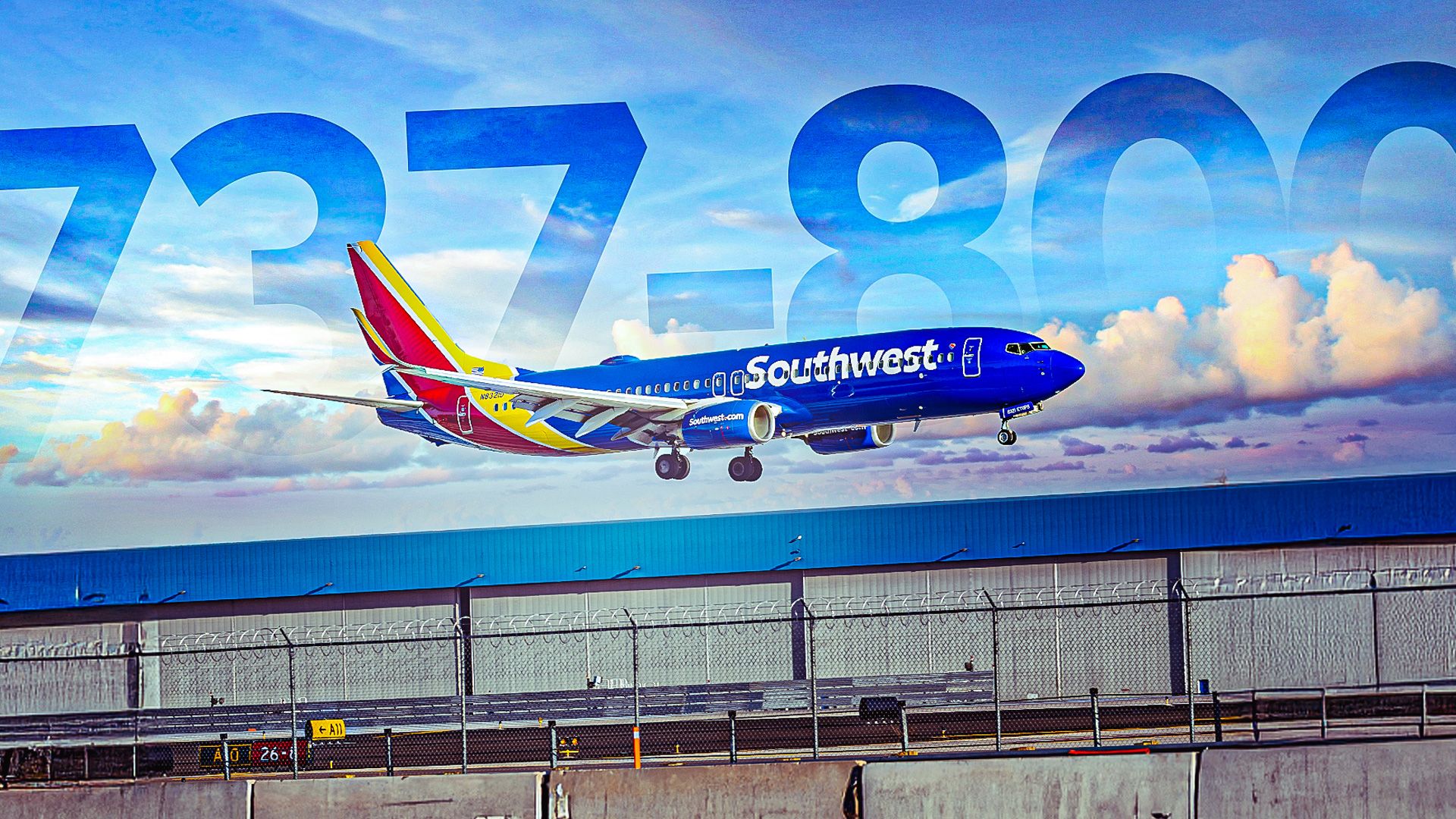
A Southwest Airlines flight nearly took off from a taxiway instead of the designated runway at Orlando International Airport (MCO) on March 20, 2025. The incident involved a Boeing 737-800, which was scheduled to fly to Albany, New York (ALB). Fortunately, air traffic control intervened in time, and the aircraft, carrying 152 passengers and six crew members, aborted the takeoff and returned safely to the apron without injuries or damage.
National Transportation Safety Board (NTSB) investigators have identified pilot error as the primary cause of the incident. Initial reports indicated that the crew mistakenly believed they were on the runway when, in fact, they had begun their takeoff roll on a taxiway that runs parallel to the runway. The aircraft was cleared for takeoff by air traffic control, but the pilots failed to taxi to the correct runway before applying power.
Details of the Incident
During the critical moments leading up to the incident, air traffic control observed the aircraft moving towards takeoff from the taxiway. Quick thinking by the controllers led to the cancellation of the takeoff clearance, prompting the pilots to reject the takeoff. The NTSB’s final report, released on December 11, highlighted a specific excerpt: “The captain’s failure to recognize that the airplane’s location did not agree with the assigned departure runway… and continuation error when he missed several cues that would have informed him that he was not on the assigned departure runway.”
In interviews following the incident, the captain explained that after receiving takeoff clearance, the crew mistakenly turned right onto taxiway H2 instead of heading to runway 17R. Despite seeing the sign for 17R, the captain did not realize they were on a taxiway. He attributed this oversight to his focus on centering the aircraft and completing the pre-takeoff checklist, which diverted his attention from the visual cues indicating the true nature of the surface ahead.
Investigation Findings
The NTSB’s investigation revealed that the captain did not adhere to Southwest Airlines standard operating procedures (SOPs), which require pilots to use multiple references to confirm their position for takeoff. These references include aircraft heading indicators, navigation displays, runway signage, and runway lighting. The NTSB noted that the captain failed to properly utilize these visual references, particularly neglecting to observe the yellow painted centerline and the differences in surface texture between the taxiway and runway.
Additionally, the first officer was reportedly distracted by the captain’s requests to confirm checklist items as the aircraft turned onto the taxiway, which also contravened the airline’s SOPs and contributed to the incident.
Southwest Airlines has built its reputation on providing convenient and affordable service across the United States, focusing on underserved communities rather than funneling traffic through major hubs. This incident underscores the importance of strict adherence to operational protocols to maintain safety, especially during busy travel periods like spring break in Florida.
The NTSB’s findings serve as a reminder of the critical nature of situational awareness in aviation. The swift response from air traffic control undoubtedly prevented a potentially dangerous situation, highlighting the importance of thorough training and adherence to procedures in ensuring passenger safety.

Alleged Philadelphia Hitman Tyvine Jones Arrested for Three Murders

Social Media Star Mary Magdalene Dies at 33 After Hotel Fall

Two Arrested in California Cult Murder Case; Leader in Custody

Remembering Pamela R. “Pam” Stephens: A Life in Service

Mosasaur Tooth Discovery Reveals Freshwater Habitat Potential

Pelicans Soar Past Blazers 143-120 with Poole’s Impact

U.K. Economic Activity Declines 0.1%, Rate Cut Anticipated

Mosaic Shares Upgraded to Hold as Analysts Adjust Ratings

Stellan Skarsgård Poised for Historic Oscars Nomination

Ohio State Study Uncovers Brain Connectivity and Function Links

Hamas Chief Stresses Disarmament Tied to Occupation’s End

University of Hawaiʻi Joins $25.6M AI Project for Disaster Monitoring

Megan Thee Stallion Exposes Alleged Online Attack by Bots

ALMA Discovers Companion Orbiting Giant Star π 1 Gruis

Researchers Challenge 200-Year-Old Physics Principle with Atomic Engines

Paloma Elsesser Shines at LA Event with Iconic Slicked-Back Bun

FDA Unveils Plan to Cut Drug Prices and Boost Biosimilars

Motley Fool Wealth Management Reduces Medtronic Holdings by 14.7%
-
 Science2 months ago
Ohio State Study Uncovers Brain Connectivity and Function Links
-
 Politics2 months ago
Hamas Chief Stresses Disarmament Tied to Occupation’s End
-
Science1 month ago
University of Hawaiʻi Joins $25.6M AI Project for Disaster Monitoring
-
 Entertainment2 months ago
Megan Thee Stallion Exposes Alleged Online Attack by Bots
-
 Science4 weeks ago
ALMA Discovers Companion Orbiting Giant Star π 1 Gruis
-
 Science2 months ago
Researchers Challenge 200-Year-Old Physics Principle with Atomic Engines
-
 Entertainment2 months ago
Paloma Elsesser Shines at LA Event with Iconic Slicked-Back Bun
-
 World1 month ago
FDA Unveils Plan to Cut Drug Prices and Boost Biosimilars
-
 Business1 month ago
Motley Fool Wealth Management Reduces Medtronic Holdings by 14.7%
-

 Top Stories2 months ago
Federal Agents Detain Driver in Addison; Protests Erupt Immediately
-

 Science2 months ago
Innovator Captures Light at 2 Billion Frames Per Second
-

 Entertainment1 month ago
Beloved Artist and Community Leader Gloria Rosencrants Passes Away