
World
China Leverages Rare Earths to Shift Global Supply Dynamics

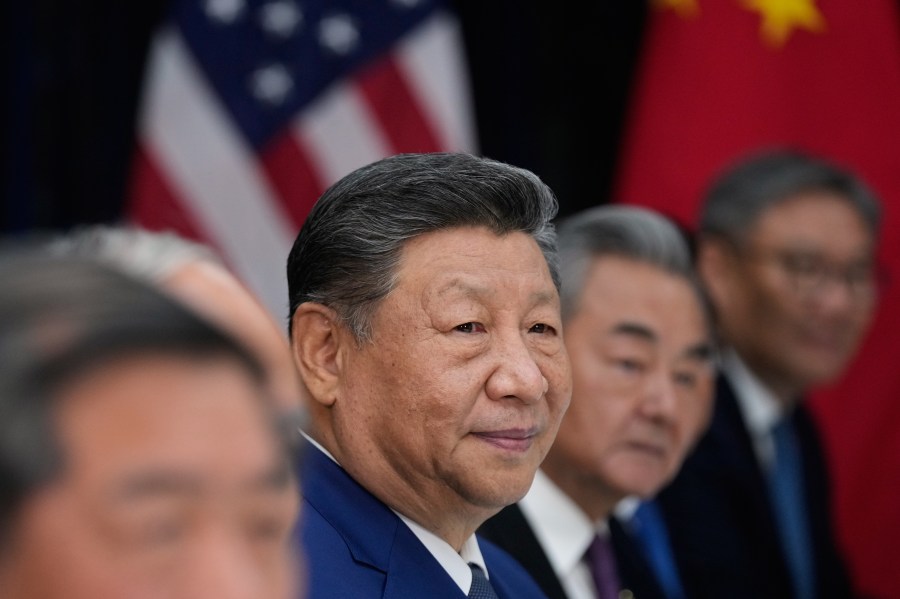
China has officially announced its intention to restrict exports of rare earth elements (REE), a move that could significantly alter global supply chains. Effective from March 2024, this decision comes as China seeks to bolster its position in a competitive market where rare earths play a vital role in technological advancements and green energy solutions.
The new regulations are expected to have major implications for countries reliant on Chinese supplies, particularly the United States, European Union, and Japan. Analysts estimate that these restrictions could impact industries worth approximately $300 billion globally. The rare earths market is critical for the production of electric vehicles, renewable energy technologies, and advanced electronics, making this a pivotal moment in international trade relations.
Shifting Power Dynamics
China’s dominance in the rare earth sector has been a point of contention for years. The country produces over 60% of the world’s rare earths, a resource essential for high-tech industries. In recent years, tensions between China and Western nations have escalated, particularly over trade policies and technology transfer.
The announcement to limit exports is perceived as a calculated strategy to leverage China’s control over this crucial resource. Experts suggest that this move could push Western countries to accelerate efforts to develop their own rare earth supply chains and reduce dependency on Chinese imports. The geopolitical landscape is shifting, as nations scramble to secure alternative sources of these critical materials.
International Reactions
In response to China’s export restrictions, the United States and its allies are reassessing their strategies. The U.S. Department of Commerce is reportedly evaluating options to enhance domestic production and processing of rare earths. Following the announcement, officials from the European Union have expressed concerns, emphasizing the need for collective action to ensure supply chain resilience.
Japan, which heavily relies on rare earth imports from China, is also feeling the pressure. The Japanese government has stated its commitment to diversifying supply sources and investing in recycling technologies to mitigate the impact of China’s restrictions.
This development underscores the strategic importance of rare earths in the current global economic landscape. As nations navigate these challenges, the outcome will likely reshape alliances and trade dynamics in the coming years.
China’s move has sparked debate among industry leaders and policymakers. While some view it as a protective measure for national interests, others warn it could lead to increased tensions and potential retaliatory measures from affected countries.
As the world watches closely, the next steps taken by both China and its global partners will be crucial in determining the future of the rare earths market.

Urgent Swatting Incident Ties Up Emergency Resources in Alabama

Urgent Tax Alert: Claim Your Deductions Before April 15!

Scientists Investigate Cosmic Defects: Where Are They Now?

Spring Bocce Leagues Open Registration in Rapid City

CALV Offers Essential Communication Class for Real Estate Pros

Samsung Galaxy Watch 9 Set for Larger 435mAh Battery Upgrade

Healthy Choice Wellness Reports Earnings, Stock Sees Uptick

Prince Harry Claims to Be ‘Antidote to Andrew’ Amid Royal Crisis

Pet Owners Weigh Kibble Against Fresh Dog Food Options

ALMA Discovers Companion Orbiting Giant Star π 1 Gruis

U.S. Visa Rescheduling Hits H‐1B Applicants as New Vetting Rules Take Effect

University of Hawaiʻi Joins $25.6M AI Project for Disaster Monitoring

F-22 Raptor vs. Su-57 Felon: A 2025 Fighter Jet Comparison

Recent Divorce Judgments from Iberia Parish Court Records

Ohio State Study Uncovers Brain Connectivity and Function Links

Prince Andrew Faces Fallout from Scandals and Allegations

Urgent: Flight Cancellations Loom at Texas Airports Amid Shutdown

Frank Dunn, Esteemed Builder and Community Leader, Passes Away at 89
-
 Science8 months ago
ALMA Discovers Companion Orbiting Giant Star π 1 Gruis
-
 Politics6 months ago
U.S. Visa Rescheduling Hits H‐1B Applicants as New Vetting Rules Take Effect
-
Science8 months ago
University of Hawaiʻi Joins $25.6M AI Project for Disaster Monitoring
-
 World8 months ago
F-22 Raptor vs. Su-57 Felon: A 2025 Fighter Jet Comparison
-
 Politics8 months ago
Recent Divorce Judgments from Iberia Parish Court Records
-
 Science9 months ago
Ohio State Study Uncovers Brain Connectivity and Function Links
-
 World8 months ago
Prince Andrew Faces Fallout from Scandals and Allegations
-
 Top Stories8 months ago
Urgent: Flight Cancellations Loom at Texas Airports Amid Shutdown
-
 Lifestyle8 months ago
Frank Dunn, Esteemed Builder and Community Leader, Passes Away at 89
-

 Business8 months ago
Appian Recognizes 2025 Partner Award Winners for Enterprise Innovation
-

 Entertainment7 months ago
Malachi Barton Tops Google Searches as Disney’s Rising Star of 2025
-

 Top Stories7 months ago
Republican Matt Van Epps Wins Tennessee Special Election