
Top Stories
Thanksgiving Leftover Turkey: Experts Warn of Risky Spoilage

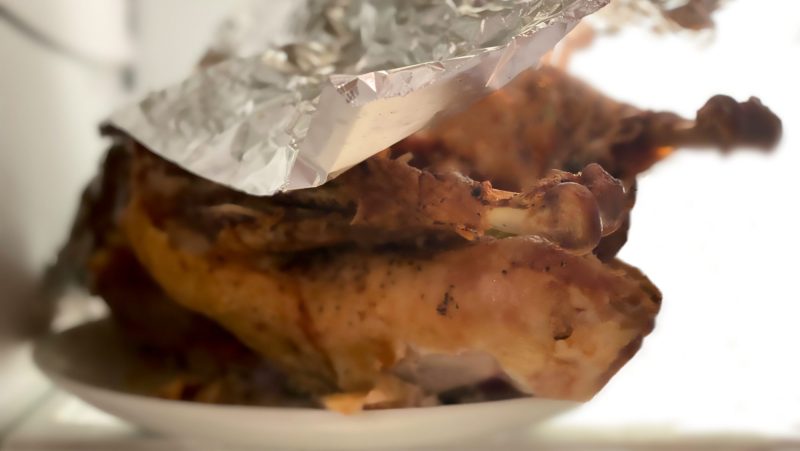
URGENT UPDATE: Thanksgiving leftovers, particularly turkey, are becoming a safety concern as experts warn they could spoil rapidly. Many families still have leftover turkey in the fridge, but officials advise consuming it within 3 to 4 days to avoid foodborne illnesses.
The U.S. Department of Agriculture (USDA) has confirmed that leftover turkey should be eaten by December 2, 2023, to ensure safety. As the days pass, the risk of contamination increases, making it critical for families to act quickly.
Experts emphasize that while turkey can be delicious when reheated, improper storage or prolonged refrigeration can lead to dangerous bacteria growth. If leftovers have been sitting in your fridge since Thanksgiving, it’s time to make a decision. The USDA highlights that any turkey stored beyond the recommended timeframe should be discarded immediately.
With the holiday season in full swing, many households are facing the dilemma of what to do with their excess food. It’s important to prioritize food safety to prevent potential health risks.
Officials recommend checking for any signs of spoilage, such as unusual odors or textures, before consuming leftovers. Additionally, they stress the importance of reheating turkey to an internal temperature of at least 165°F (74°C) to kill any harmful bacteria.
As families gather to enjoy meals during this festive season, being mindful of food safety can prevent tragic outcomes. It’s not just about enjoying delicious meals—it’s about ensuring the health of loved ones.
Stay updated on food safety practices as the holiday season progresses. Share this information with friends and family to help them avoid foodborne illnesses. Make sure to act fast—your health could depend on it!

CPS Energy Prepares for Winter with Enhanced Infrastructure and Predictions

Cartoonist Drew Sheneman Illustrates Jealousy in New Work

Study Links Hormone-Disrupting Chemicals to Skin Condition

Cape Cod Estate Near Kennedy Compound Lists for $21.5 Million

Trump’s Doctor Reveals MRI Details from Annual Physical Exam

SpaceX Set to Launch 60th Falcon 9 Rocket from Vandenberg

Illinois Soybean Association Announces Free ‘Talk Dirt to Me’ Workshop

Austin Weather Alert: Rain Today, Sunshine This Weekend

Trump to Convene National Security Team on Venezuela Crisis Today

Ohio State Study Uncovers Brain Connectivity and Function Links

Hamas Chief Stresses Disarmament Tied to Occupation’s End

Megan Thee Stallion Exposes Alleged Online Attack by Bots

University of Hawaiʻi Joins $25.6M AI Project for Disaster Monitoring

Researchers Challenge 200-Year-Old Physics Principle with Atomic Engines

Paloma Elsesser Shines at LA Event with Iconic Slicked-Back Bun

FDA Unveils Plan to Cut Drug Prices and Boost Biosimilars

Federal Agents Detain Driver in Addison; Protests Erupt Immediately

Motley Fool Wealth Management Reduces Medtronic Holdings by 14.7%
-
 Science1 month ago
Ohio State Study Uncovers Brain Connectivity and Function Links
-
 Politics1 month ago
Hamas Chief Stresses Disarmament Tied to Occupation’s End
-
 Entertainment1 month ago
Megan Thee Stallion Exposes Alleged Online Attack by Bots
-
Science4 weeks ago
University of Hawaiʻi Joins $25.6M AI Project for Disaster Monitoring
-
 Science2 months ago
Researchers Challenge 200-Year-Old Physics Principle with Atomic Engines
-
 Entertainment1 month ago
Paloma Elsesser Shines at LA Event with Iconic Slicked-Back Bun
-
 World1 month ago
FDA Unveils Plan to Cut Drug Prices and Boost Biosimilars
-
 Top Stories1 month ago
Federal Agents Detain Driver in Addison; Protests Erupt Immediately
-
 Business1 month ago
Motley Fool Wealth Management Reduces Medtronic Holdings by 14.7%
-

 Entertainment1 month ago
Beloved Artist and Community Leader Gloria Rosencrants Passes Away
-

 Science2 weeks ago
ALMA Discovers Companion Orbiting Giant Star π 1 Gruis
-

 Politics2 months ago
NHP Foundation Secures Land for 158 Affordable Apartments in Denver